
Double-Pane Vs Triple-Pane Windows: Understanding the Best Choice for Noise Reduction and Energy Savings
When deciding between double-pane and triple-pane windows, consider your priorities for noise reduction and energy savings. Double-pane windows use two glass layers, providing effective insulation and cost savings, ideal for milder climates. Triple-pane windows, with an additional layer, enhance thermal performance and greatly improve soundproofing, making them suitable for urban areas and extreme temperatures. While triple-pane options have higher initial costs, their long-term savings are worth considering. Your choice should reflect your local climate and noise levels, ensuring maximum comfort and efficiency in your home. Stick around to explore further insights into optimizing your window investment.
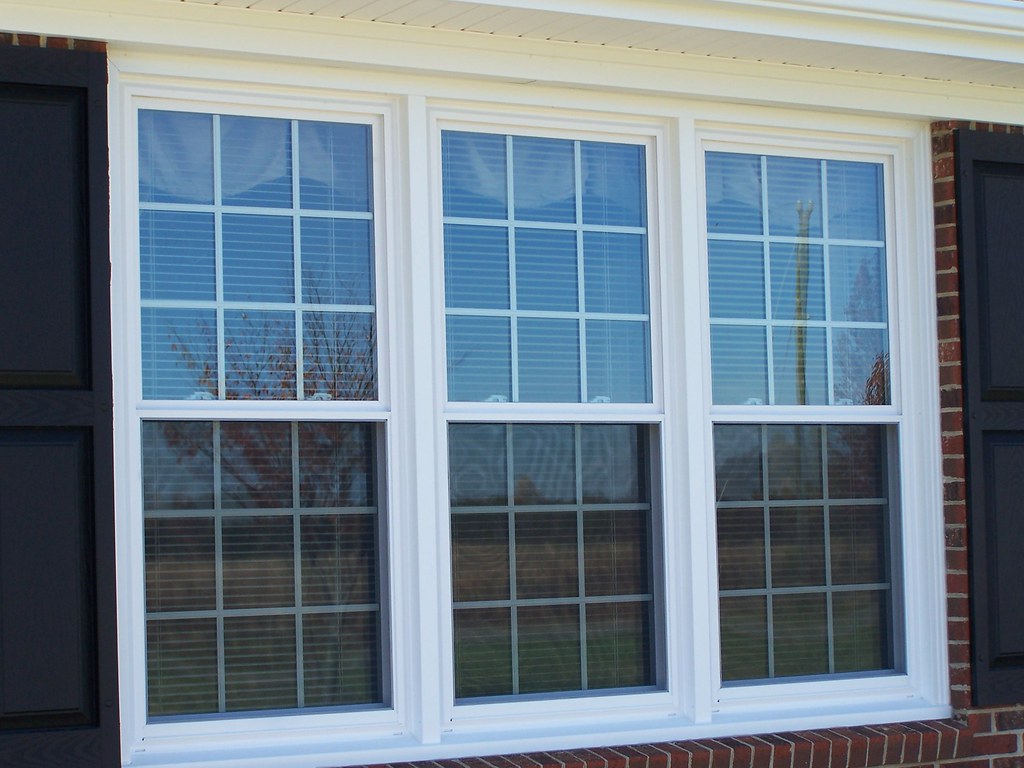
Why window technology matters for California home comfort and efficiency
When it comes to California home comfort and efficiency, window technology makes a considerable difference. You might wonder whether double pane vs triple pane windows best suit your needs. Both options offer energy-efficient benefits, but they function differently. Double-pane windows have two layers of glass with a gas-filled space in between, providing adequate insulation for milder climates. However, if your home is in a noisier area or experiences extreme temperatures, you should consider triple-pane windows. They add another glass layer and extra insulating chamber, enhancing thermal performance and noise reduction.
In terms of energy efficiency, these window choices are ideal for California’s diverse climate. With energy-efficient windows, California homeowners can maintain a comfortable indoor environment while reducing utility bills. If noise reduction is a priority for you, soundproof replacement windows can considerably diminish outside disturbances.
Investing in the right window technology not only improves your home’s aesthetic appeal but also boosts comfort and efficiency. Ultimately, selecting between double-pane and triple-pane options depends on your specific needs, but both can lead to noticeable improvements in your California home’s performance.
How double-pane windows work and their insulation benefits
Double-pane windows operate by creating a sealed unit consisting of two layers of glass with a space between them filled with insulating gas, such as argon or krypton. This design considerably minimizes thermal transfer, making double-pane replacement windows an excellent choice for energy efficiency. The insulating gas in the air gap enhances the windows’ ability to reduce heat loss during cooler months and limit heat gain in warmer weather, which is essential for homes in Southern California.
Moreover, these windows are effective noise reducing windows. The dual glass layers plus the air gap act as a barrier, absorbing and deflecting sound waves from outside, providing a quieter indoor environment. If you live near busy streets or noisy neighborhoods, double-pane windows can dramatically improve your comfort.
How triple-pane windows provide additional energy and sound performance
Triple-pane windows take the benefits of double-pane technology a step further, greatly enhancing energy efficiency and sound performance. By incorporating an additional glass layer, these windows provide increased insulation, making them an excellent choice for homeowners in Los Angeles seeking replacement windows. The third pane not only serves to combat outdoor noise but also heightens energy savings, which can markedly reduce heating and cooling costs.
Consider these advantages of triple-pane replacement windows:
- Increased insulation with multiple gas-filled chambers
- Enhanced soundproofing for a quieter indoor environment
- Superior energy performance that can lead to lower utility bills
With their advanced construction, triple-pane windows are ideal for combating extreme temperatures and outside noise, making them a popular solution in bustling urban areas. All City Windows & Doors offers expertly designed triple-pane options tailored to your home’s specific needs, ensuring you achieve the utmost comfort and efficiency. These windows are an investment not just in aesthetics but also in long-term savings and peace of mind. When you opt for triple-pane windows, you’re making a choice that benefits your home and your quality of life.
Comparing double-pane and triple-pane windows for energy savings
Choosing the right window type can greatly influence your home’s energy efficiency, and comparing double-pane and triple-pane options is essential to understanding potential savings. Double-pane windows feature two glass layers with an insulating air or gas-filled space in between, providing effective thermal insulation. They’re a cost-effective solution for many homeowners, especially if you’re looking at window replacement in California.
On the other hand, triple-pane windows add an extra layer of glass, creating two insulated spaces. This design markedly enhances energy performance and can lead to further reductions in heating and cooling costs. In areas with extreme temperatures, the investment in triple-pane windows can pay off in energy savings over time.
If you’re considering window and door upgrades in Reseda, CA, think about your long-term energy needs. While double-pane windows may be less expensive upfront, triple-pane options could potentially save more money in the long run through reduced energy bills. Ultimately, evaluating your specific climate and energy goals will guide you in making the best choice for energy efficiency.
Understanding U-factor and solar heat gain coefficient ratings
Understanding the U-factor and solar heat gain coefficient (SHGC) ratings is essential for anyone looking to maximize window performance. The U-factor measures how well a window insulates against heat loss, while the SHGC indicates how much solar radiation passes through the window. Knowing these ratings helps you choose the best windows for climate and energy efficiency.
Consider these important points:
- Lower U-factor: A lower U-factor signifies better insulation, meaning your home stays warmer in winter and cooler in summer.
- SHGC importance: A lower SHGC means reduced solar heat gain, which is vital in warmer climates to maintain indoor comfort and reduce cooling costs.
- Balancing both ratings: Finding a balance between U-factor and SHGC is key to optimizing energy savings without sacrificing comfort.
When selecting double-pane or triple-pane windows, pay attention to these ratings. They greatly affect your home’s energy efficiency and comfort level. By understanding U-factor and SHGC, you can make an informed decision that aligns with your energy savings goals and enhances your living space.
How window design affects noise reduction and sound control
Enhancing noise reduction and sound control is an essential aspect of window design, particularly for homes located in busy urban environments or near high-traffic areas. The construction and materials used in window frames notably impact their effectiveness in blocking unwanted noise. When you opt for double-pane or triple-pane windows, you’re already taking a step towards reducing exterior sound.
Triple-pane windows, with their additional layer of glass, often provide superior acoustical performance due to increased mass and multiple airspaces that act as buffers against sound waves. The choice of glass types—laminated or tempered—can also enhance sound attenuation. Laminated glass, for instance, incorporates a sound-dampening layer that absorbs vibrations, effectively minimizing noise intrusion.
Frame materials and sealing also play a critical role; more robust materials like fiberglass or vinyl can create a tighter seal against sound. Proper installation is essential, too—drafts and gaps can negate your noise reduction efforts. By considering these design aspects, you can create a quieter home environment, making your living space more comfortable and peaceful.
Comparing STC ratings and soundproof window features
When evaluating soundproofing capabilities, comparing Sound Transmission Class (STC) ratings becomes important in determining the effectiveness of double-pane versus triple-pane windows. The STC rating quantifies how well a window can block sound, with higher ratings indicating better soundproofing. Generally, triple-pane windows achieve superior STC ratings due to their additional pane, creating more barriers for sound waves to travel through.
Here are a few features that enhance soundproofing in windows:
- Thickness of Glass: Thicker glass panes can markedly improve sound attenuation.
- Interlayer Material: Using specialized acoustic interlayers can enhance sound-damping properties in glass.
- Sealing Quality: High-quality seals prevent sound leaks, ensuring a tighter fit.
The role of Low-E glass and gas-filled insulation technology
Low-E glass and gas-filled insulation technology are essential components in maximizing the energy efficiency of double-pane and triple-pane windows. Low-E, or low-emissivity, glass features a microscopically thin coating that reflects heat while allowing light to pass through. This coating helps maintain your home’s temperature by reducing heat transfer, effectively keeping heat in during winter and out during summer. Selecting windows with Low-E glass can considerably lower your heating and cooling costs.
In addition to Low-E coatings, the use of gas fills, such as argon or krypton, enhances insulation between the panes. These inert gases create a buffer that considerably reduces heat conduction while minimizing condensation. With gas-filled insulation, the thermal performance of your windows improves dramatically, contributing to a more comfortable indoor environment.
When you combine Low-E glass with gas-filled panes, you’re optimizing both energy savings and noise reduction. This synergy allows you to create a quieter, more energy-efficient home. By investing in these technologies, you’re not only addressing immediate comfort but also enhancing the long-term sustainability and value of your property.
How window frame materials impact performance and durability
The choice of window frame materials can considerably affect the performance and durability of your double-pane or triple-pane windows. Different materials offer unique advantages that can influence energy efficiency, noise reduction, and longevity. Here’s what you should consider:
- Vinyl frames: Known for their excellent insulation properties, vinyl frames are resistant to moisture and won’t warp or rot, enhancing longevity.
- Wood frames: Provide great thermal insulation and aesthetic appeal but require regular maintenance to protect against decay and insect damage.
- Aluminum frames: Though lightweight and strong, they often require thermal breaks to reduce heat transfer, which can impact energy efficiency.
When selecting window frames, keep in mind their impact on overall performance. For instance, a well-insulated frame can improve energy savings, while strong materials can lengthen your windows’ lifespan. By understanding how different frame materials perform, you can make a more informed choice that suits your energy efficiency needs and aesthetic preferences. Opt for materials that align with your goals, and you’ll maximize both comfort and value in your home.
Choosing the right windows for Southern and Northern California climates
Choosing windows tailored to the specific climates of Southern and Northern California can greatly enhance your home’s energy efficiency and comfort. In Southern California, where temperatures soar, look for double-pane windows with Low-E coatings. These coatings reflect heat while still allowing natural light to enter, keeping your home cooler. The use of argon gas between the panes boosts insulation, further reducing energy costs.
In contrast, Northern California experiences cooler, wetter winters. Here, triple-pane windows might be the better choice. The added layer of glass and an extra insulating chamber provide superior thermal efficiency, blocking cold drafts more effectively than double-pane options. This can be particularly important for homes in mountainous areas or regions prone to colder temperatures.
Additionally, consider the U-factor, which measures how well a window insulates. A lower U-factor is ideal for both climates, ensuring minimal heat loss in the winter and heat gain in the summer. By selecting windows specifically designed for your regional climate, you’re investing in long-term comfort and energy savings, proving beneficial across the seasons.
Retrofit windows vs full replacement window options
When pondering new windows, understanding the difference between retrofit and full replacement options is crucial for achieving the best energy efficiency and aesthetics. Retrofit windows fit into your existing frames, which can save time and money. Alternatively, full replacement windows involve removing the entire window unit and frame, providing a fresh start and often better performance.
Here are some key points to reflect on:
- Cost: Retrofit installations typically lower labor costs due to less extensive work compared to full replacements.
- Energy Efficiency: Full replacements often lead to better insulation and sealing, enhancing energy savings in the long run.
- Aesthetics: Full replacement windows offer more options for improving curb appeal, while retrofits may limit your choices.
Ultimately, your decision depends on your home’s condition, your budget, and your energy efficiency goals. If your existing frames are in good shape, a retrofit can be an excellent choice. However, if there’s considerable damage or inefficiency, you might find that the long-term benefits of full replacement justify the initial investment. Choosing the right window type can greatly influence your comfort and utility bills in the future.
Why professional window installation affects long-term performance
Proper installation of windows is critical for maximizing their long-term performance and efficiency. When you choose professional installation, you guarantee that windows fit perfectly in their frames, preventing air leaks and potential moisture intrusion. Even the best double-pane or triple-pane windows won’t perform as intended if they’re not installed correctly.
Professional installers understand the nuances of local building codes and climate requirements, which can greatly impact how your windows function. They use precise techniques to secure the windows, using appropriate materials to seal gaps and enhance insulation. This attention to detail helps maintain the ideal temperature in your home and minimizes noise infiltration.
Furthermore, improper installation can lead to issues like warped frames or failure to operate smoothly, necessitating expensive repairs. A professional installation can also preserve your windows’ warranty, as many manufacturers require proper installation to remain valid.
All City Windows & Doors energy-efficient replacement window solutions
All City Windows & Doors offers a variety of energy-efficient replacement window solutions tailored to meet the specific needs of your home or business. Their offerings focus on maximizing energy savings while improving your property’s comfort levels. With a team of experts, they guarantee that every window meets high performance standards.
Key benefits of their energy-efficient windows include:
- Enhanced Insulation: Designed to minimize heat transfer, helping to keep your indoor environment stable year-round.
- Low-E Coatings: Advanced coatings that reflect solar energy while allowing natural light to enter, further improving energy efficiencies.
- Sound Reduction: Options available to minimize noise from the outside, creating a peaceful living or working environment.
Conclusion
Choosing the right window upgrade can greatly enhance your home’s comfort, energy savings, and noise reduction. When deciding between double-pane and triple-pane windows, consider your specific needs and regional climate. Double-pane windows are typically sufficient for moderate climates, offering valuable insulation and noise reduction at a lower cost. However, if you live in an area with extreme temperatures or high noise levels, triple-pane windows can provide superior performance with an extra layer of glass and additional gas fills.
Look for features like Low-E coatings, which reflect heat and UV rays, and make certain you understand the U-factor ratings for energy efficiency. Selecting high-quality frame materials and professional installation is essential for maximizing performance. Additionally, factor in your budget and long-term energy savings when making this decision; while triple-pane windows may have a higher initial cost, they often yield greater savings over time through reduced energy bills and increased comfort.
In the end, whether you choose double-pane or triple-pane, investing in energy-efficient windows pays dividends in comfort, cost savings, and noise reduction, making your home a more pleasant place to live.
CONTACT US
Los Angeles - Ventura
6914 Canby Ave Suite 105
Reseda, CA 91335
Bay Area - San Jose
225 San Jose Ave
San Jose, CA 95125
allcitywindowsndoors@gmail.com
MENU
LATEST PROJECTS